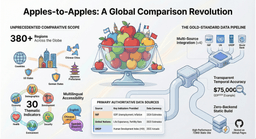
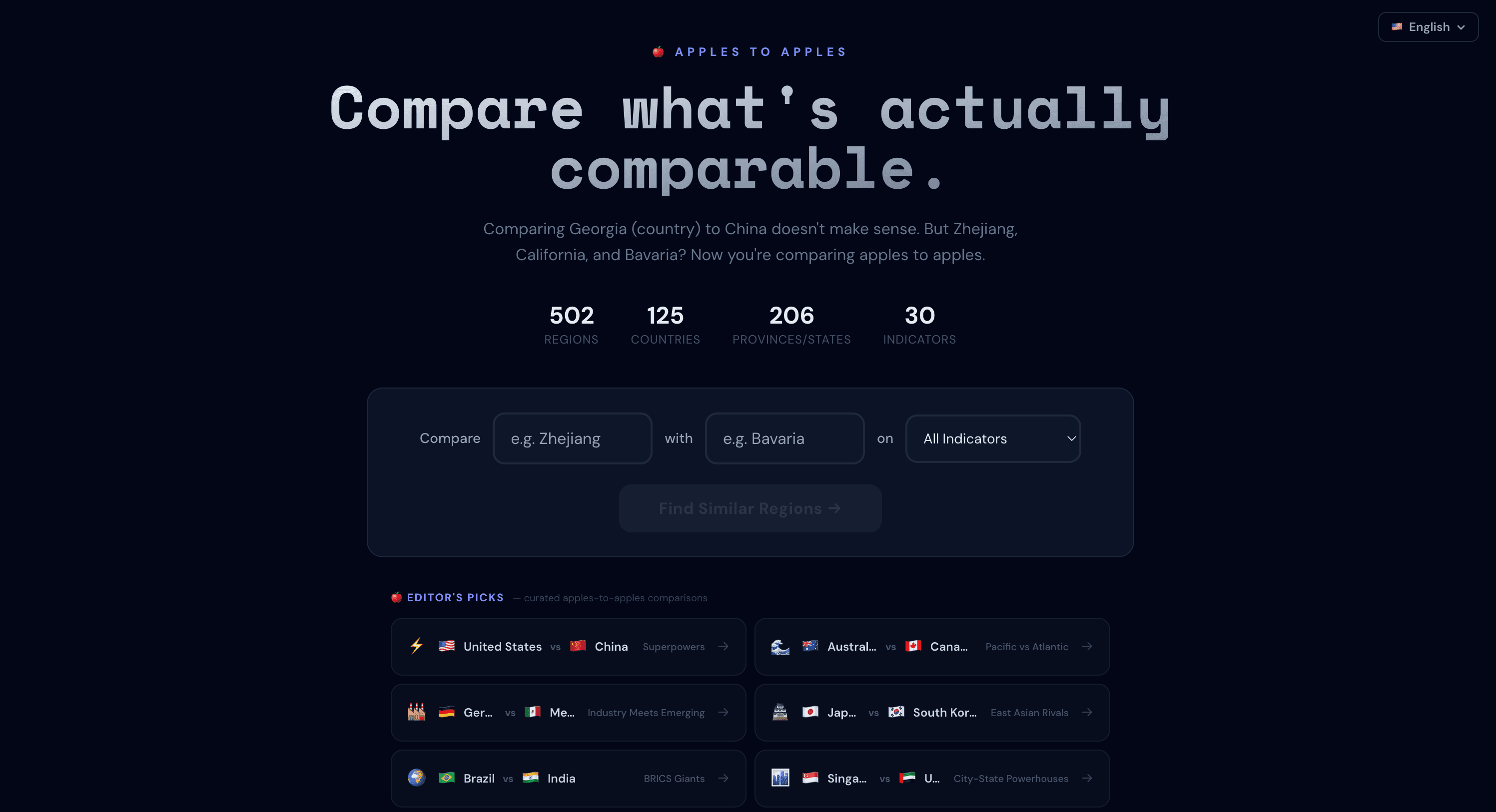
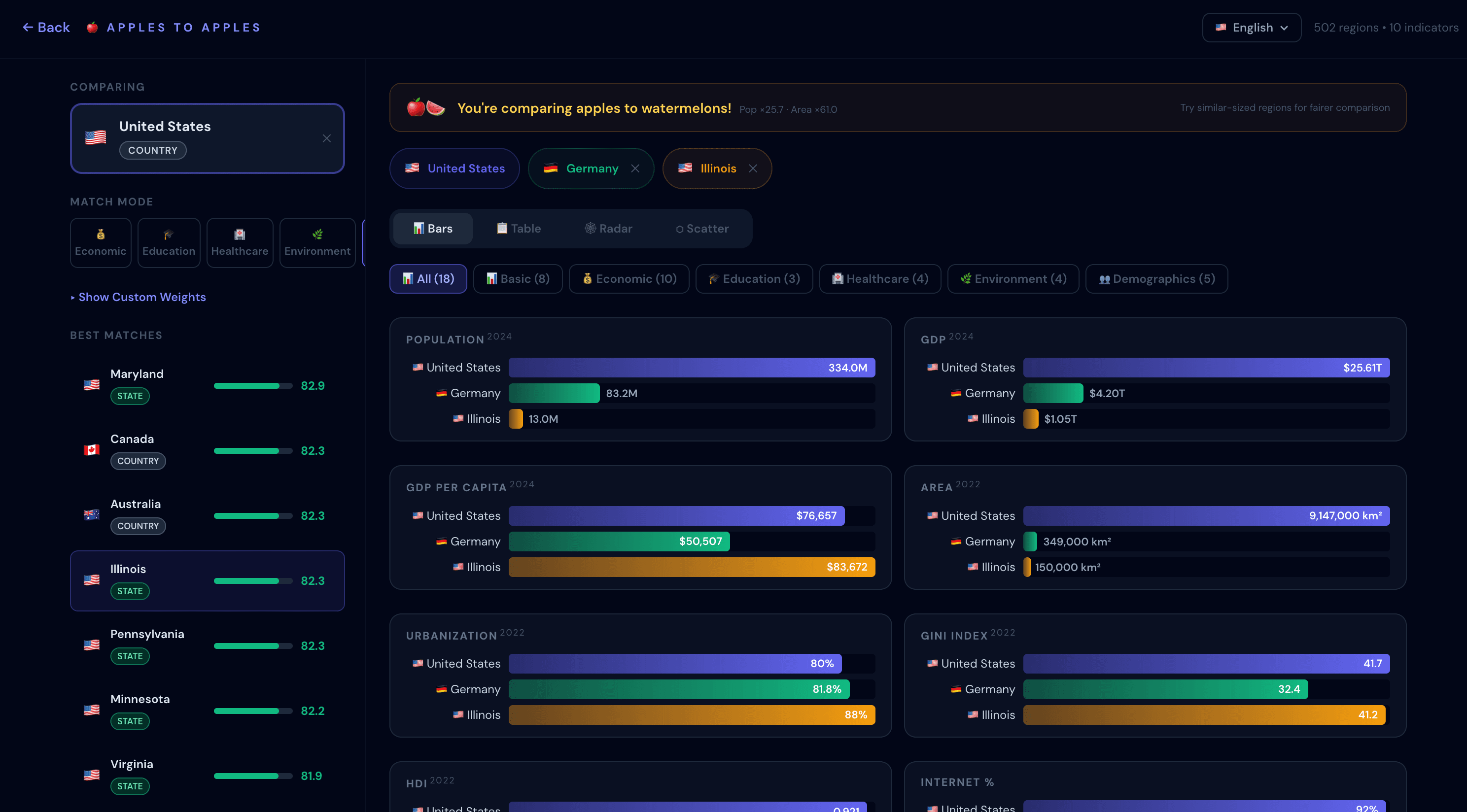
Ever tried to compare Japan with Germany? Or California with Texas? Or Shanghai with New York? You'd need to open dozens of tabs, cross-reference multiple databases, and still end up with inconsistent data from different years. Apples-to-Apples solves this. Pick any two regions, get an instant side-by-side comparison on 30 indicators. Done.
Founder
Screenshots
About
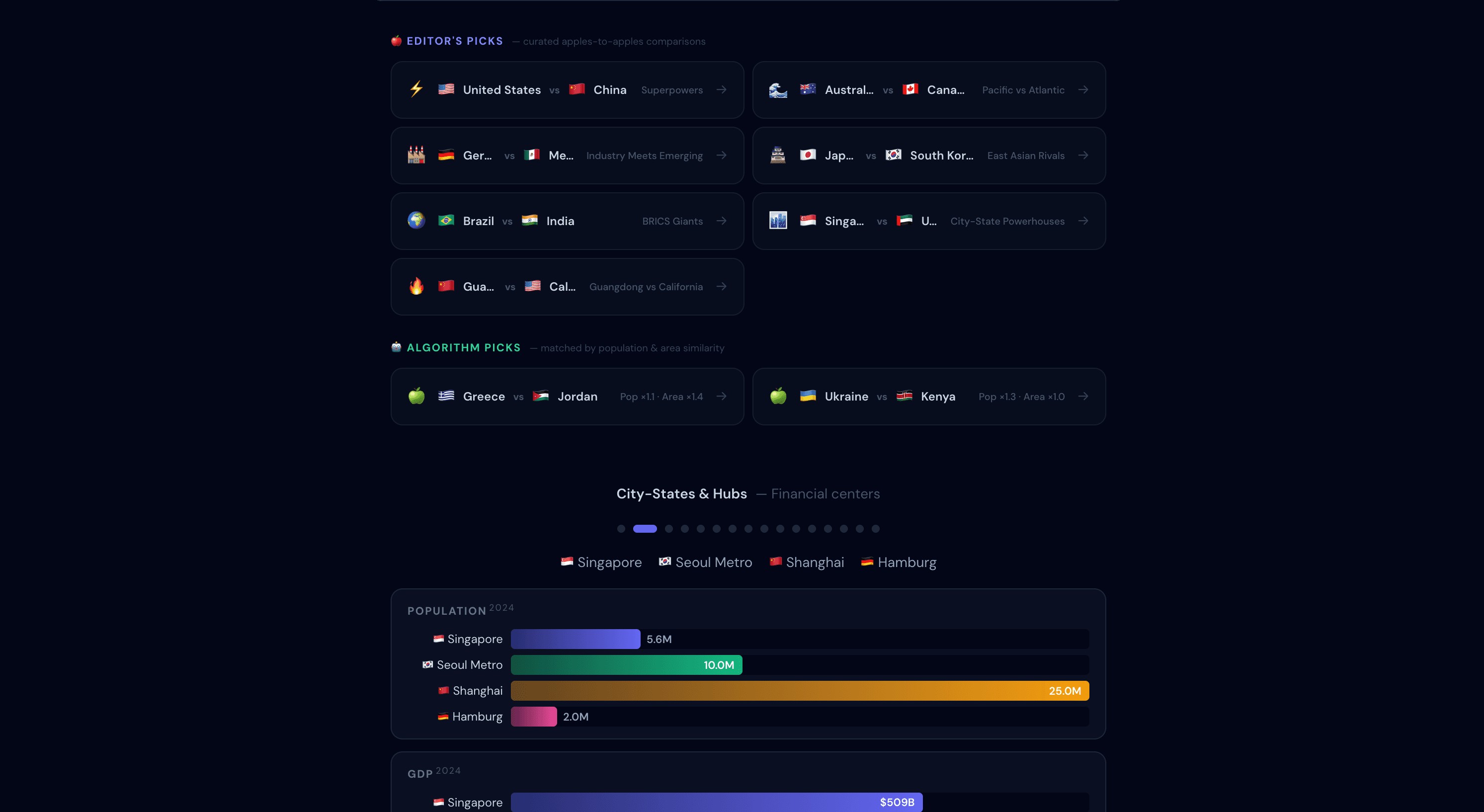
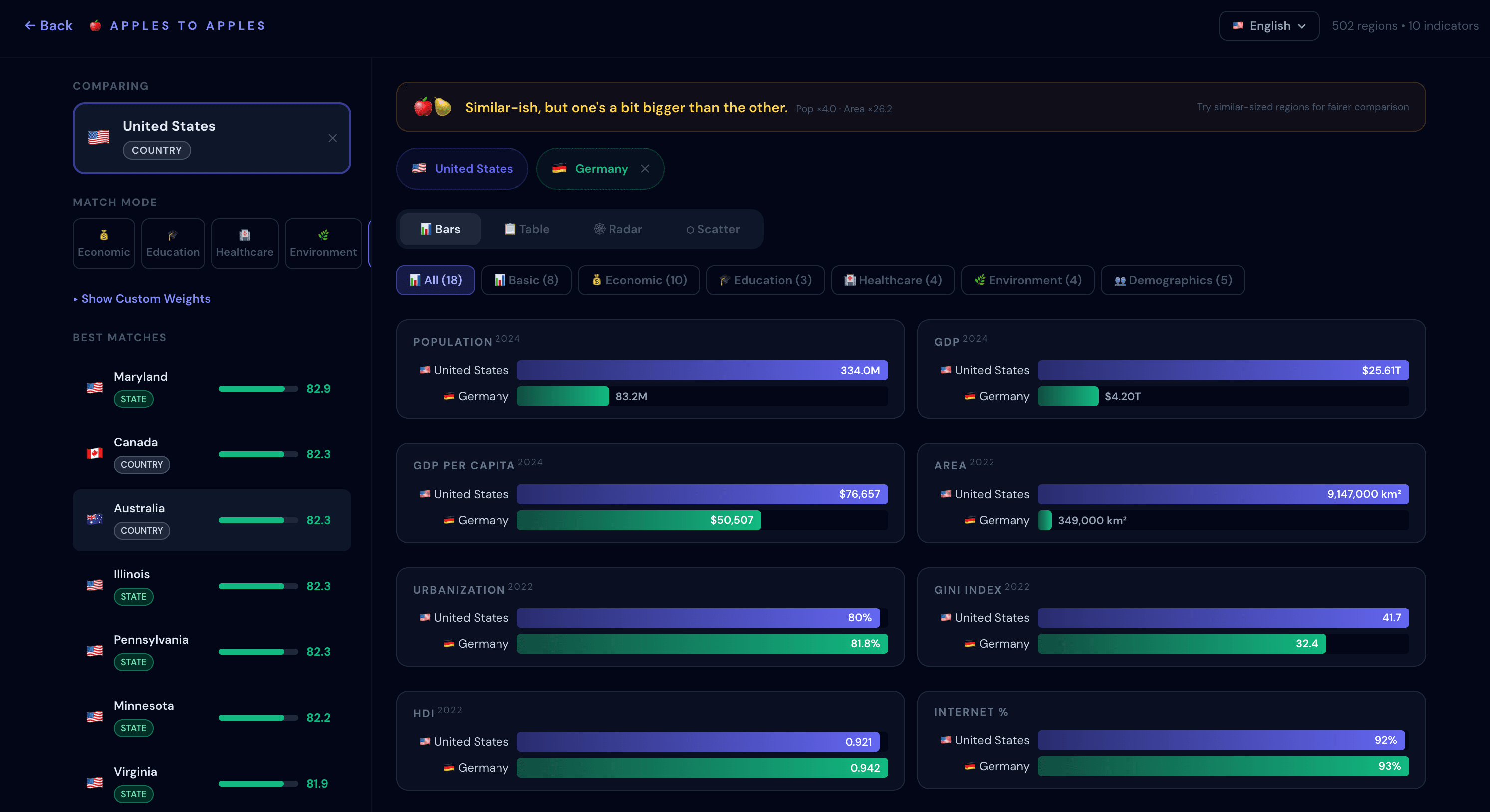
Imagine finally having the power to cut through the noise of endless research and instantly compare any two places on earth, whether you're looking at entire countries, sprawling states, or bustling cities. That's the core promise of 213. Apples to Apples. We all know the frustration: needing to understand how the economic climate of Japan stacks up against Germany, or perhaps drilling down to see how California's infrastructure compares directly with Texas, or even contrasting the cost of living between Shanghai and New York. Usually, this task means juggling dozens of browser tabs, sifting through reports from different years, and wrestling with inconsistent data sources until your head spins. Apples to Apples was engineered to eliminate that entire headache. It provides a streamlined, intuitive platform where you simply select your two regions of interest, and in a flash, you receive a clean, side-by-side comparison across 30 key indicators. This isn't just about data retrieval; it's about achieving clarity and making informed decisions faster than ever before, whether you are a researcher, a business strategist, or just someone deeply curious about global differences.
This tool transforms complex comparative analysis into a simple, two-click operation. Forget spending hours manually compiling statistics on everything from GDP per capita and education levels to environmental quality and population density. Apples to Apples aggregates and normalizes this vital information so that when you put two locations next to each other, you are genuinely comparing apples to apples, using harmonized data points. This consistency is what makes the insights truly actionable. For professionals involved in site selection, market entry strategy, or even academic study, having reliable, instantly accessible comparative metrics saves invaluable time and significantly reduces the margin for error that comes from relying on disparate sources. It empowers you to move past data collection and straight into strategic thinking and understanding the nuances between different geographical environments.
Furthermore, this commitment to accessible, high-quality comparison is built on a foundation of transparency, as reflected by its open-source nature. This means the methodology and the data sources are open for scrutiny, building a layer of trust that proprietary systems often lack. Whether your goal is to decide where to relocate, where to invest next, or simply to satisfy a deep curiosity about global metrics, 213. Apples to Apples delivers the definitive answer immediately. It’s the ultimate productivity booster for anyone whose work or interest requires swift, accurate, and direct geographical benchmarking, finally putting the power of comprehensive comparison right at your fingertips.