
Every agent turn, you're resending the full context. Again. That overhead compounds fast. WebSocket Mode for the Responses API keeps a persistent connection, sends only incremental inputs, and cuts end-to-end latency by up to 40% on heavy tool-call workflows.
Founder
Screenshots

About
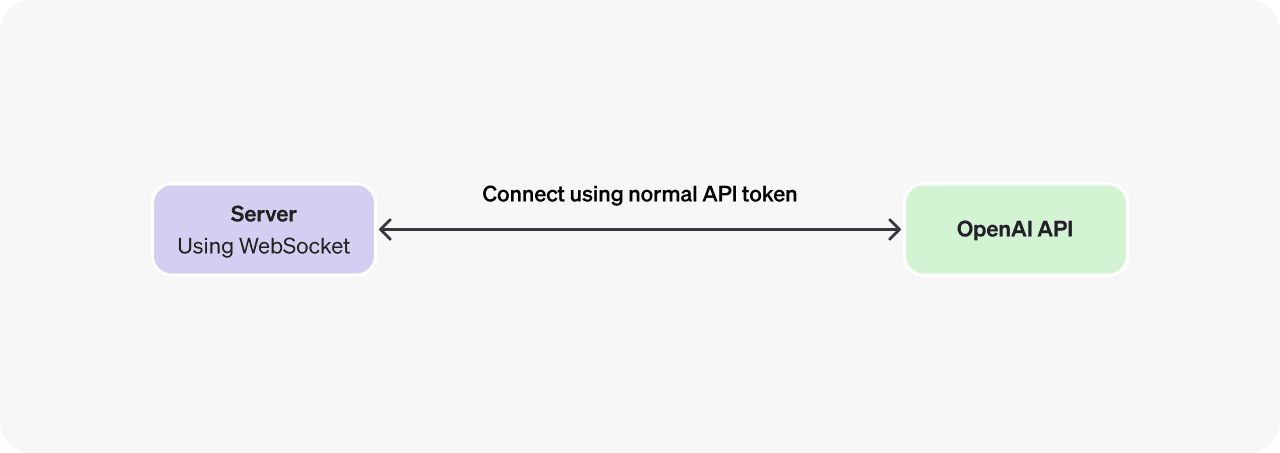
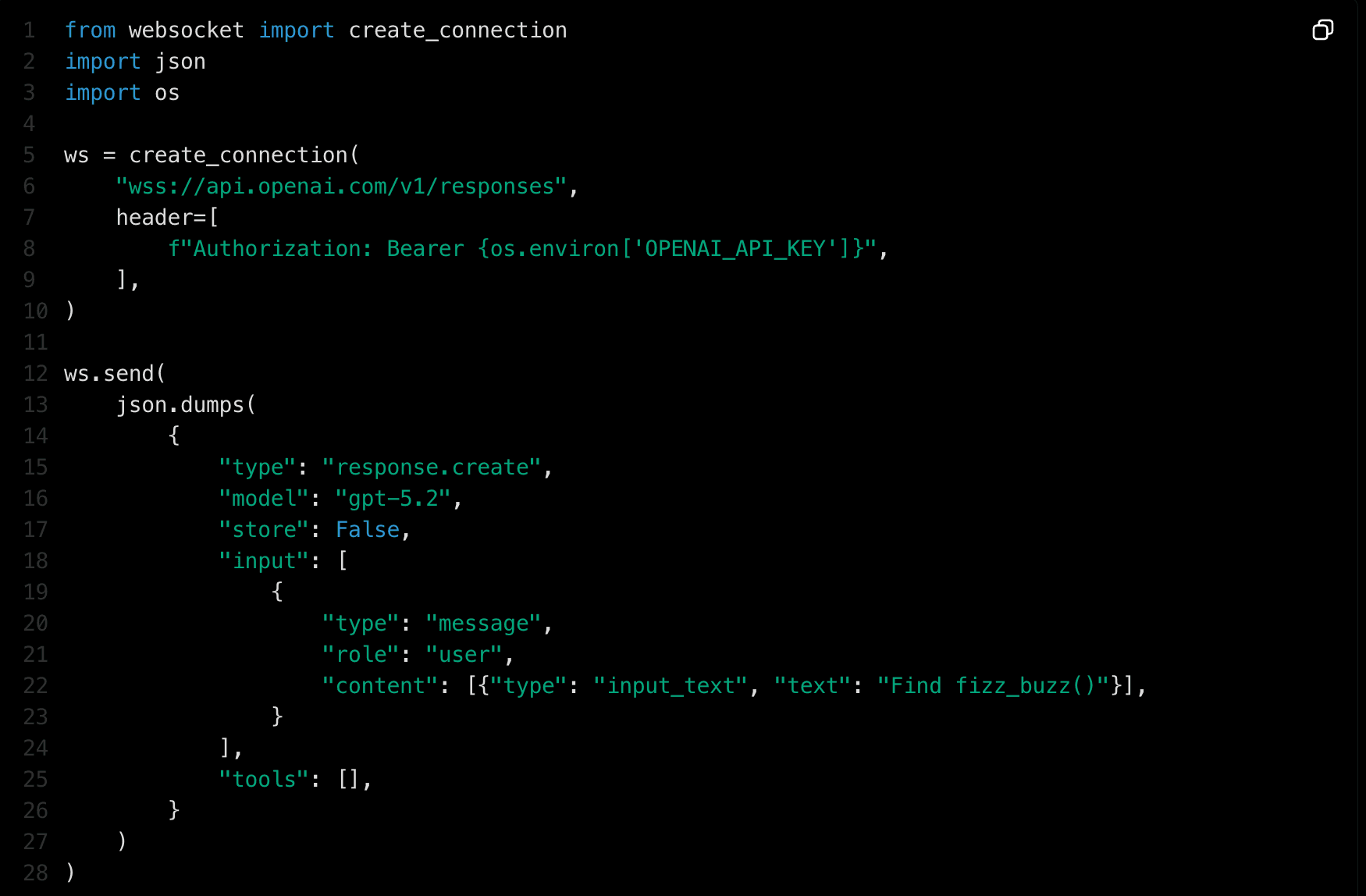
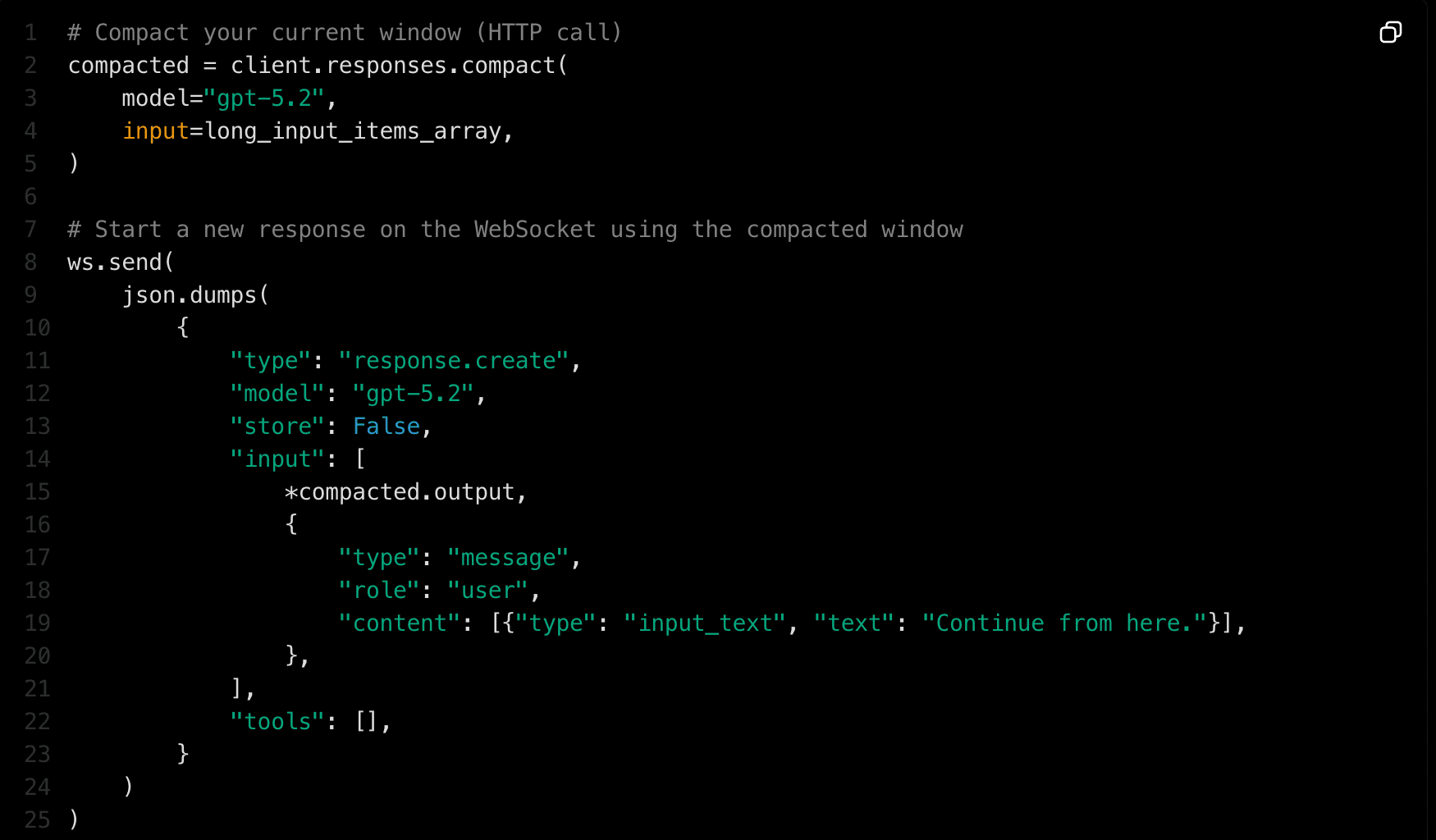
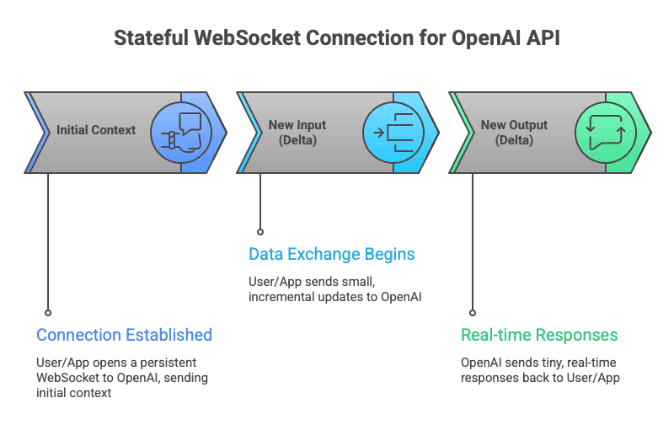
Are you tired of the constant overhead that slows down your sophisticated AI agent workflows? If you are building applications that rely heavily on multi-turn conversations or complex sequences involving numerous tool calls, you know the pain point intimately: with every single turn, you are resending the entire conversation history and context back to the model. This seemingly small repetition adds up quickly, creating significant latency that frustrates users and bottlenecks performance, especially when dealing with demanding, stateful interactions. We designed the OpenAI WebSocket Mode for the Responses API specifically to eliminate this unnecessary burden. By establishing a persistent, dedicated connection, this mode fundamentally changes how data flows. Instead of repeating the whole story every time, we only transmit the new, incremental inputs required for the next step. This intelligent approach to data transmission means less data traveling back and forth, resulting in dramatically reduced end-to-end latency. For developers running intensive agentic loops, this translates directly into a smoother, snappier user experience, potentially speeding up those heavy workflows by as much as 40%. It’s about making your powerful AI feel instantaneous, not bogged down by network chatter.
This isn't just a minor tweak; it's a foundational upgrade for serious AI development. Imagine complex tasks where your agent needs to check a database, execute a calculation, and then summarize the findings—all in one flow. Traditional request response cycles make each of those steps wait for the full context to be re-uploaded. With WebSocket Mode, that context is maintained live, allowing your agent to focus purely on processing the next instruction. This persistent connection is the key to unlocking true responsiveness in your applications, ensuring that the intelligence you’ve programmed shines through without being masked by network delays. It’s the difference between an AI that feels responsive and one that feels sluggish, allowing you to deploy agents that feel truly conversational and highly efficient, even when they are performing deep, multi-step reasoning or complex external integrations. Embrace the speed and efficiency that persistent connections offer and elevate the performance ceiling of your next generation of AI products.